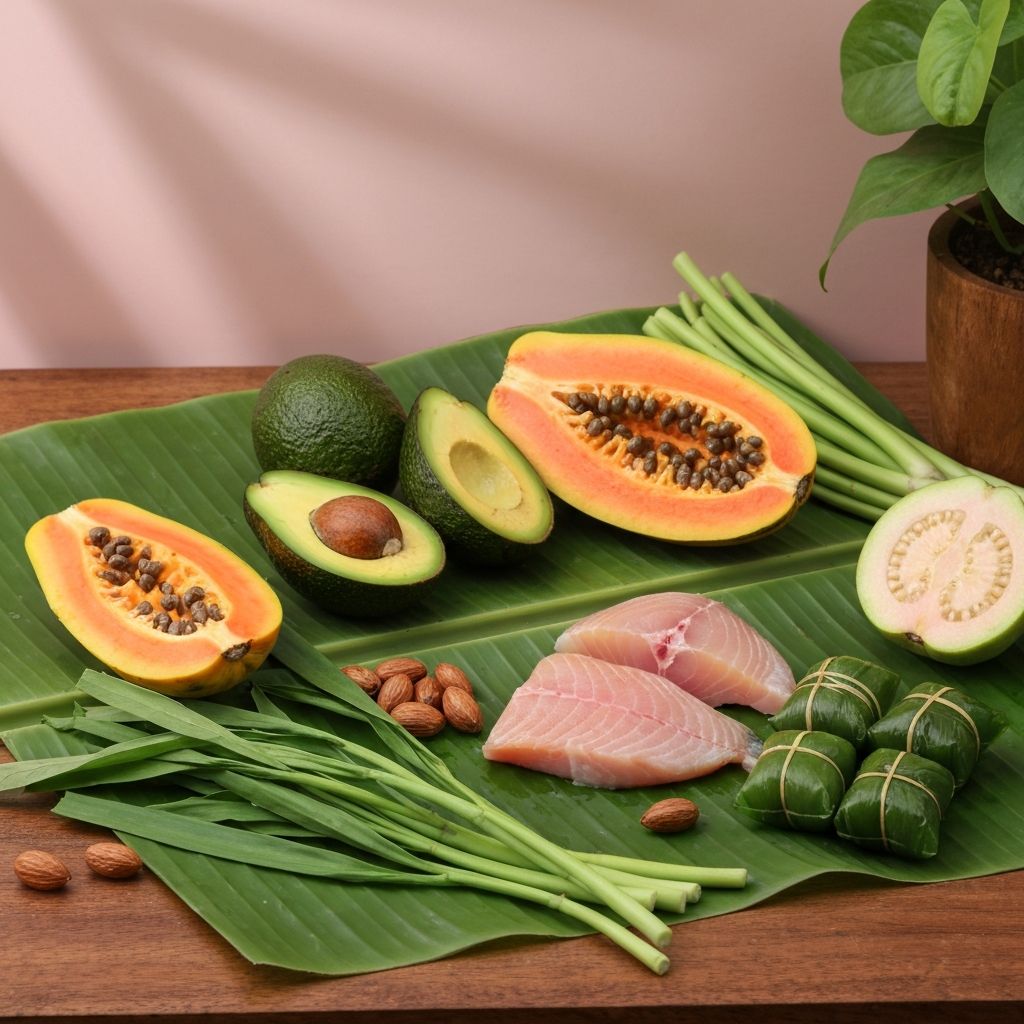
Nutrients from Natural Foods
Supporting Hair, Skin and Nail Tissue in Everyday Indonesian Nutrition
Educational content only. No promises of outcomes.
Role of Dietary Nutrients in General Tissue Biology
Amino Acids and Protein Building Blocks
Dietary amino acids like cysteine, methionine, and lysine serve fundamental roles in the maintenance and renewal of body tissues. These organic compounds are essential building blocks in everyday tissue biology. Cysteine contributes to keratin structure, while methionine and lysine support general protein synthesis in the body.
The human body uses these amino acids continuously to maintain normal cellular function and tissue integrity. They are obtained through everyday dietary sources including eggs, fish, legumes, and other traditional Indonesian foods.
This section explains general nutrient roles in tissue biology for informational purposes only.
Vitamins Supporting Everyday Tissue Functions
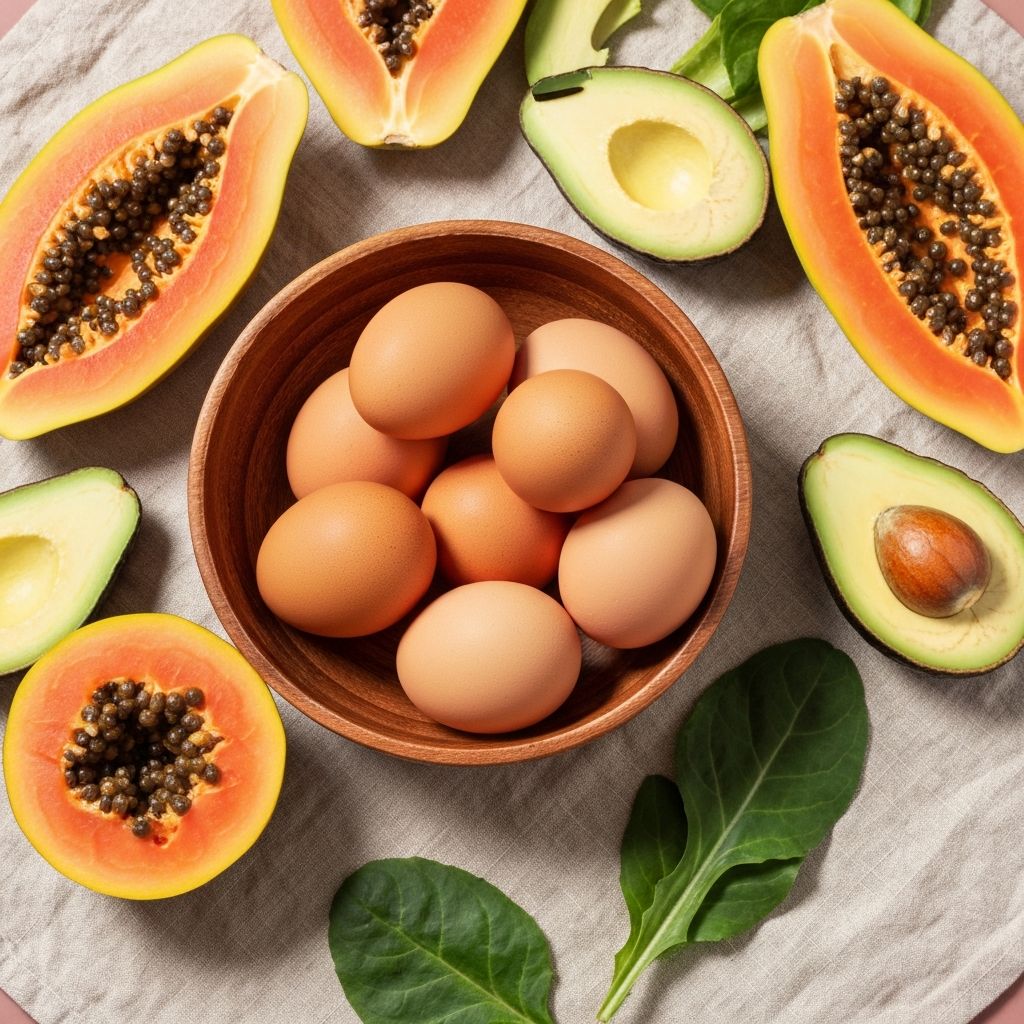
Biotin (B7) appears in food sources and plays a role in normal keratin and general tissue maintenance processes. It is found in eggs, nuts, and seeds commonly used in Indonesian cuisine.
Pantothenic Acid (B5) participates in general energy and tissue metabolism. This vitamin is present in mushrooms, avocado, and other locally available foods.
Niacin (B3) supports normal cellular energy production and tissue repair. It is obtained from fish, legumes, and whole grains.
Vitamin C is essential for normal collagen formation in everyday tissue processes. Tropical fruits like papaya, guava, and citrus are rich sources.
Vitamin E supports normal cellular function. Sources include nuts, seeds, and vegetable oils commonly used in Indonesian cooking.
Minerals in Daily Nutrition
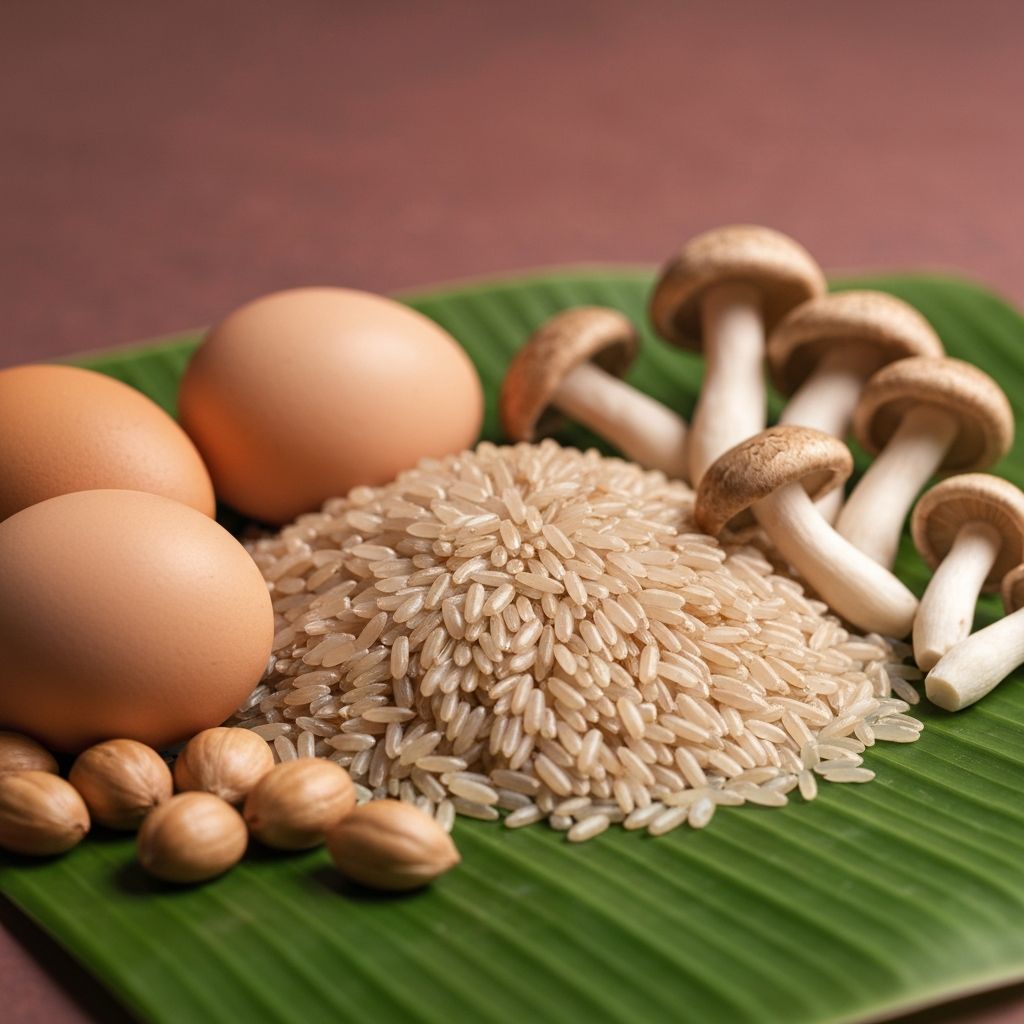
Zinc plays a normal role in tissue maintenance and daily cellular function. It is present in fish, nuts, seeds, and legumes.
Copper supports normal tissue processes and is found in nuts, seeds, and whole grains.
Iron is essential for normal oxygen transport and cellular energy. Leafy greens, fish, and legumes are traditional sources.
Selenium supports normal cellular function and is present in fish, nuts, and whole grains in varying amounts.
Silica naturally occurs in plant-based foods and grains, supporting general tissue structures in everyday biology.
Local Food Sources of Key Nutrients
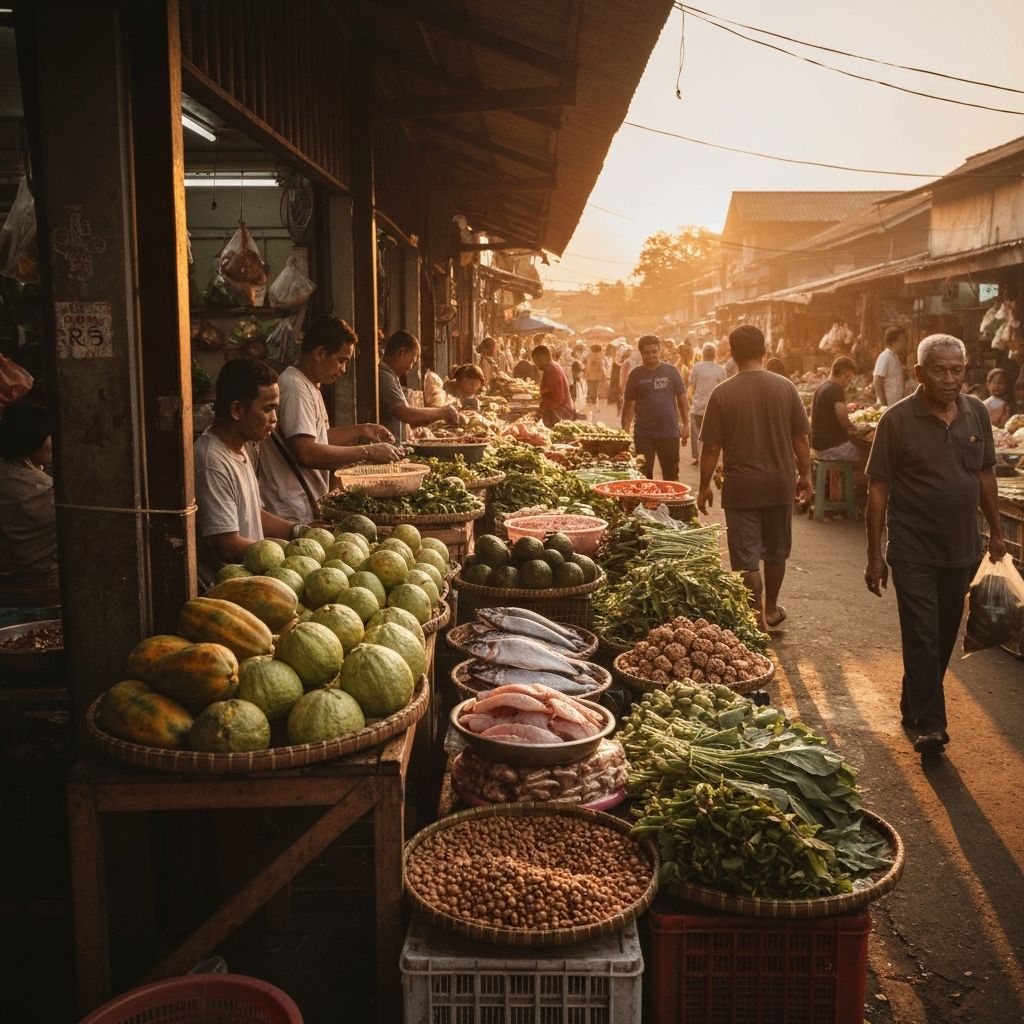
Traditional Indonesian Sources
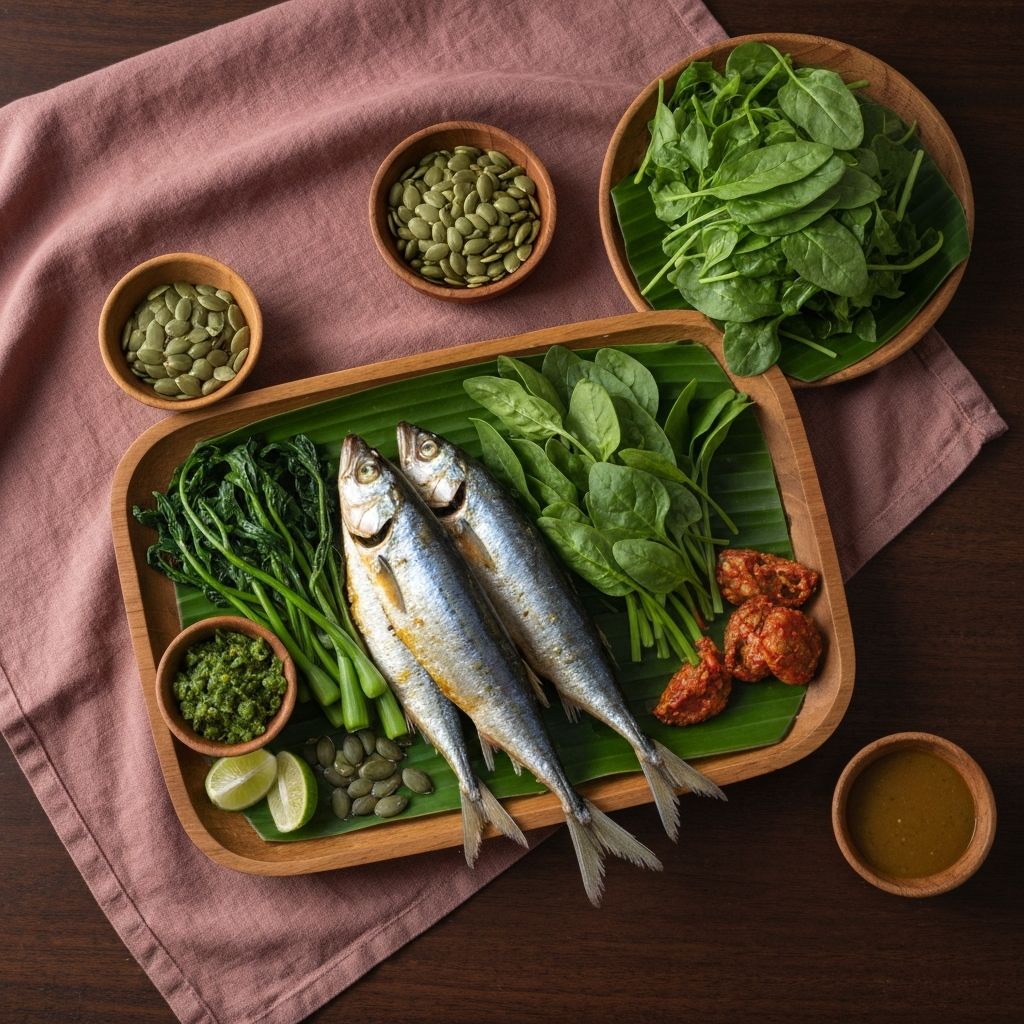
Indonesia's tropical climate and agricultural diversity provide abundant sources of nutrients. Coastal regions offer fresh fish rich in omega-3 fatty acids and minerals. Inland areas produce diverse leafy greens and legumes. Local markets display seasonal produce that has been part of traditional eating patterns for generations.
The following table presents approximate nutrient content in commonly available Indonesian foods, based on general nutritional references.
| Food Source | Key Nutrients | Common Preparation | Availability |
|---|---|---|---|
| Papaya | Vitamin C, A precursors, folate | Fresh sliced, in sayur, juice | Year-round, abundant |
| Guava (Jambu Biji) | Vitamin C, fiber, antioxidants | Fresh fruit, juice, salads | Year-round, coastal regions |
| Avocado | Vitamin E, pantothenic acid, healthy fats | Fresh sliced, in gado-gado, smoothies | Seasonal, highland areas |
| Kangkung | Iron, calcium, vitamins A & C | Stir-fried, in sayur lodeh, urap | Year-round, very common |
| Daun Singkong | Protein, iron, calcium, vitamin A | In curries, sayur, traditional dishes | Year-round, rural areas |
| Ikan Tongkol / Sarden | Omega-3, protein, selenium, vitamin D | Grilled, steamed in pepes, fried | Year-round, coastal regions |
| Kacang Mede (Cashew) | Copper, zinc, magnesium | Roasted, in gado-gado sauce, whole | Seasonal, September-December |
| Rumput Laut (Seaweed) | Iodine, minerals, fiber | In salads, soups, traditional dishes | Year-round, coastal regions |
| Jamur (Mushrooms) | B vitamins, selenium, antioxidants | Stir-fried, in soups, traditional preparations | Year-round, varied species |
| Beras Merah (Brown Rice) | B vitamins, magnesium, fiber | Cooked as staple grain | Year-round, primary staple |
| Kacang Hijau (Mung Beans) | Protein, fiber, folate, zinc | Cooked in bubur, soups, salads | Year-round, affordable staple |
| Eggs | Protein, choline, biotin, selenium | Boiled, fried, in traditional dishes | Year-round, readily available |
Nutrient-Dense Local Ingredient Groups
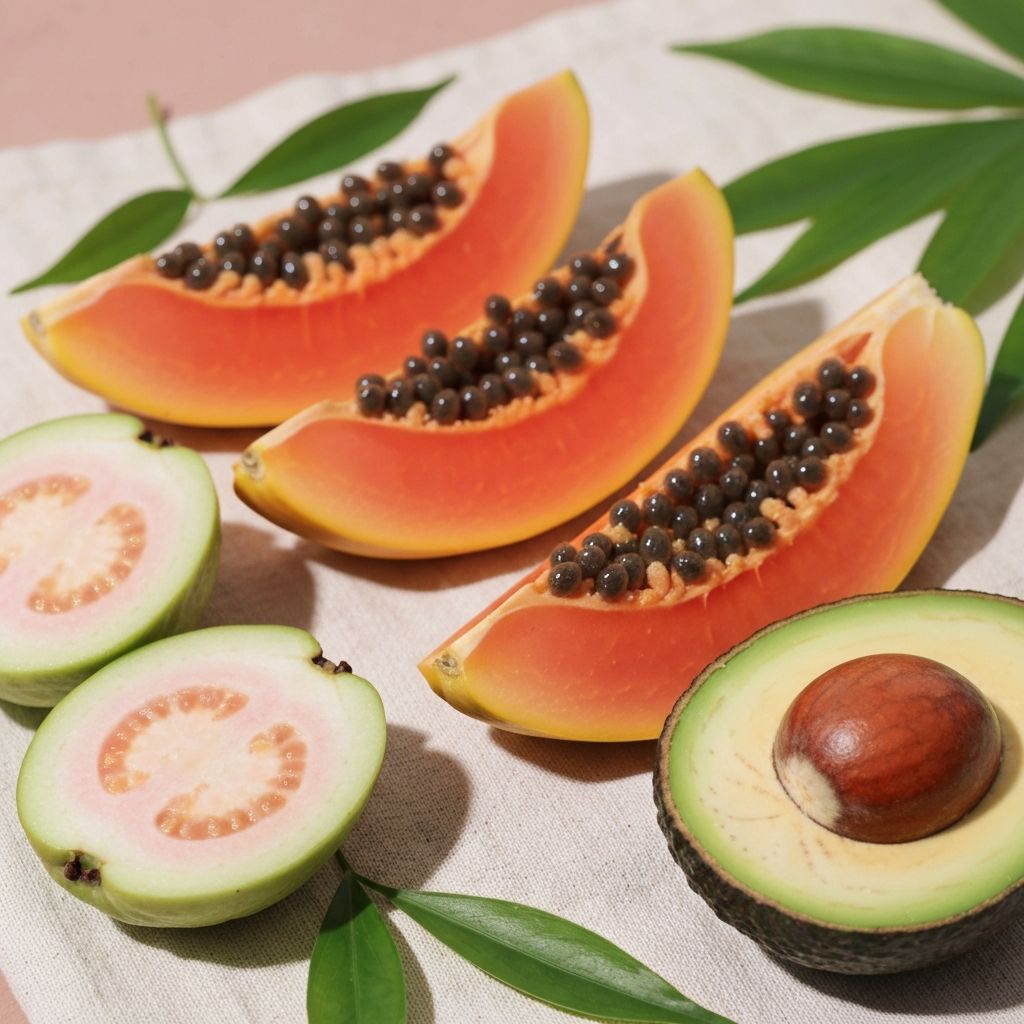
Tropical Fruits - Vitamin C & Antioxidants
Papaya, guava, and avocado are staple tropical fruits in Indonesia. These fruits naturally contain vitamins and minerals that support everyday nutrition. Papaya is available year-round and is commonly prepared fresh or in traditional dishes. Guava offers seasonal variety and is enjoyed throughout coastal regions. Avocado, while seasonal in highland areas, provides healthy fats and pantothenic acid.
Seasonal Availability: Papaya year-round; Guava February-April, August-December; Avocado April-June
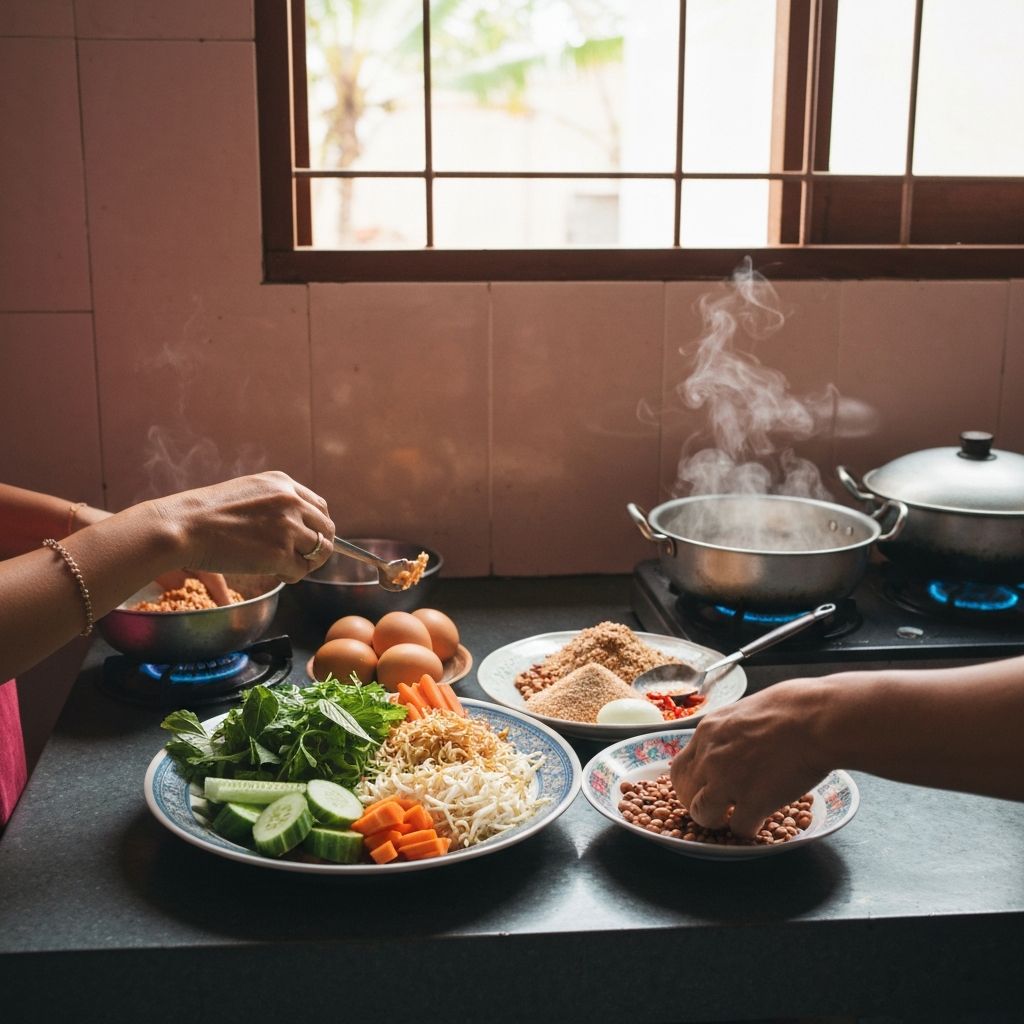
Leafy Greens - Iron & Calcium Sources
Kangkung and daun singkong are fundamental components of Indonesian cuisine. These leafy vegetables are available year-round and are traditionally incorporated into everyday meals. Kangkung is stir-fried or included in sayur lodeh, while daun singkong features in curries and traditional preparations. Both provide important minerals and vitamins in common dishes.
Traditional Preparations: Stir-fried with garlic, in sayur lodeh, urap, and mixed vegetable dishes
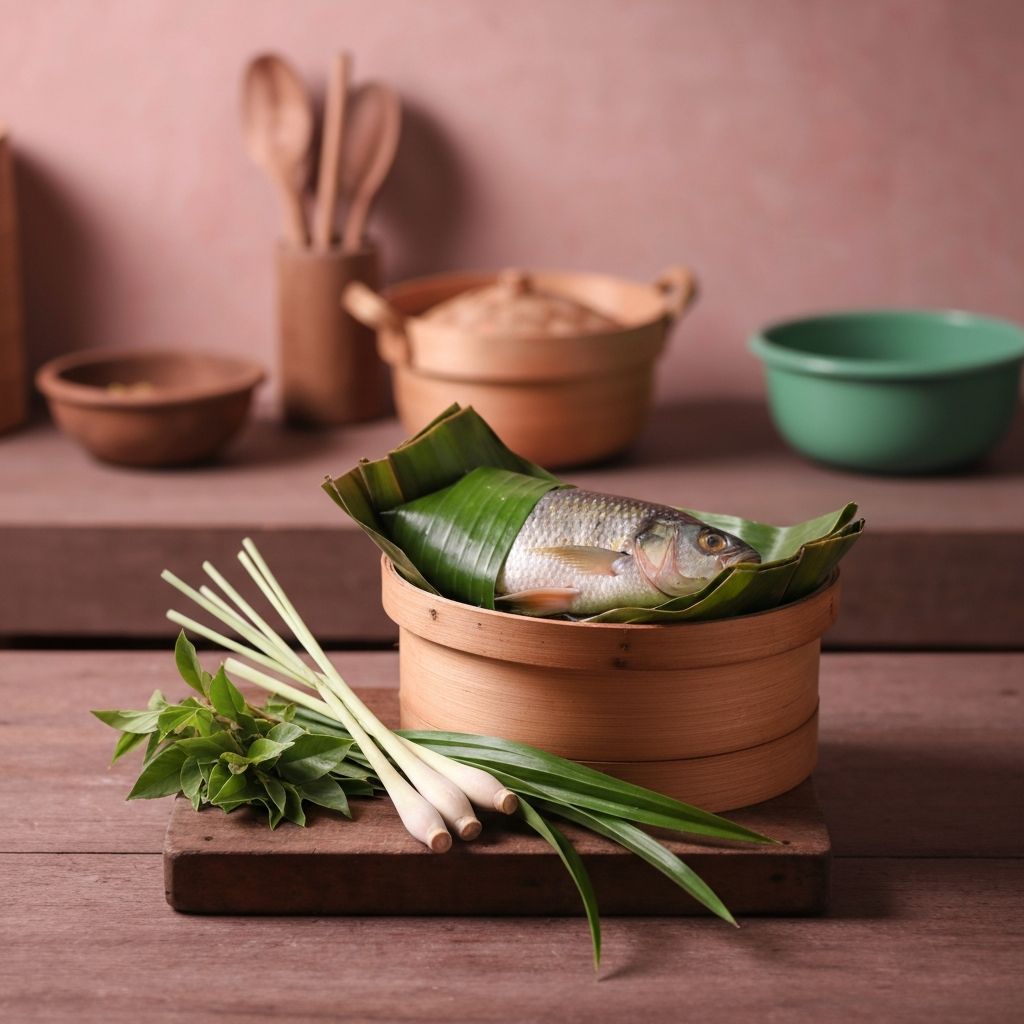
Fresh Fish - Protein & Omega-3 Sources
Ikan tongkol and sarden are traditional protein sources in Indonesian coastal communities. These fish provide complete amino acid profiles and minerals like selenium. Fresh fish is steamed in banana leaves (pepes), grilled, or fried in traditional preparations. Coastal regions have year-round access to fresh fish as a daily protein source.
Traditional Preparation: Pepes ikan (steamed in banana leaves), grilled with herbs, or fried with spices
Vitamin-Rich Tropical Fruits in Indonesia
Papaya - Vitamin C & A Precursors
Papaya is a year-round tropical fruit in Indonesia, naturally rich in vitamin C and beta-carotene (vitamin A precursor). One medium papaya provides significant amounts of these nutrients. Vitamin C supports normal collagen formation in everyday tissue processes. Beta-carotene is converted to vitamin A, which supports normal cellular function.
Papaya is commonly eaten fresh as breakfast fruit, included in traditional dishes, or made into juice. Its natural enzymes support digestive function in traditional Indonesian cuisine.
Guava - Concentrated Vitamin C Source
Jambu biji (guava) is available seasonally and contains higher vitamin C concentrations than many citrus fruits. A single medium guava can provide over 100% of daily vitamin C intake. Guava also contains fiber and antioxidants. The fruit is enjoyed fresh, in juices, or sliced in traditional salads.
Avocado - Healthy Fats & B Vitamins
Avocado is seasonal in highland Indonesian regions and provides pantothenic acid (B5), vitamin E, and healthy monounsaturated fats. The fruit supports normal cellular function and energy metabolism. Avocado is incorporated into gado-gado, salads, and traditional preparations.
Everyday Indonesian Dishes with Diverse Nutrients

Sayur Lodeh - Traditional Vegetable Curry
Sayur lodeh is a traditional Indonesian dish that combines leafy greens like kangkung and daun singkong with coconut milk, spices, and other vegetables. The dish exemplifies how diverse nutrients are naturally incorporated into everyday eating. Kangkung provides iron and calcium, while the coconut base offers healthy fats.
Nutrient Profile: Iron, calcium, vitamins A & C, fiber, healthy fats from coconut
Ingredients: Kangkung, daun singkong, carrots, long beans, coconut milk, aromatic spices
Frequency: Common everyday dish, prepared several times weekly in many Indonesian households
Pepes Ikan - Steamed Fish in Banana Leaves
Pepes ikan is a traditional preparation where fresh fish is wrapped with herbs and spices in banana leaves and steamed. This cooking method preserves nutrients and flavor. Fish provides complete protein, omega-3 fatty acids, selenium, and vitamin D. The aromatic herbs and spices contribute additional phytochemicals.
Nutrient Profile: Protein, omega-3 fatty acids, selenium, vitamin D, B vitamins
Ingredients: Fresh ikan tongkol or sarden, aromatic herbs, shallots, garlic, spices, banana leaves
Frequency: Common in coastal regions, prepared weekly in many households
Gado-Gado - Mixed Vegetable Salad with Peanut Sauce
Gado-gado combines cooked and raw vegetables with peanut sauce, exemplifying how diverse nutrients appear in traditional Indonesian eating. The dish typically includes kangkung, bean sprouts, cabbage, hard-boiled eggs, and crispy fried tofu. The peanut sauce provides healthy fats, vitamin E, and magnesium. Vegetables contribute minerals and vitamins.
Nutrient Profile: Protein from eggs and peanuts, minerals from vegetables, vitamins A & C, healthy fats, fiber
Ingredients: Kangkung, bean sprouts, cabbage, carrots, eggs, tofu, peanut sauce base
Frequency: Popular street food and home dish, available year-round
Traditional Indonesian cuisine naturally incorporates diverse nutrient sources through everyday eating patterns. Different regions and seasons influence ingredient availability and preparation methods.
Frequently Asked Questions
How do amino acids support tissue maintenance?
+Amino acids are organic building blocks that the body uses continuously for normal cellular function. Cysteine, methionine, and lysine are amino acids obtained through dietary protein sources. The body uses these compounds in general tissue maintenance and renewal processes. They are present in everyday foods including eggs, fish, legumes, nuts, and seeds.
What are vitamin B complexes and where are they found in Indonesian foods?
+B vitamins including biotin (B7), pantothenic acid (B5), and niacin (B3) support normal energy metabolism and tissue function. Biotin is found in eggs, nuts, and mushrooms. Pantothenic acid appears in avocado and mushrooms. Niacin is present in fish, legumes, and whole grains. These vitamins are naturally incorporated into traditional Indonesian meals.
How much vitamin C is in tropical fruits?
+Vitamin C content varies by fruit and ripeness. A medium papaya contains approximately 60-95 mg of vitamin C. Guava contains even higher concentrations, approximately 165-375 mg per medium fruit. Avocado contains moderate amounts around 10-15 mg per fruit. These are general approximations based on standard nutritional references. Actual content varies with growing conditions and harvest time.
What minerals are found in leafy green vegetables?
+Leafy greens like kangkung and daun singkong contain iron, calcium, and magnesium. These minerals support normal cellular function and everyday tissue processes. Iron is essential for oxygen transport. Calcium supports structural tissue maintenance. Magnesium participates in energy metabolism. These vegetables are traditionally prepared in curries, stir-fries, and traditional dishes.
How is selenium present in fish and nuts?
+Selenium is a trace mineral that naturally occurs in fish, nuts, seeds, and whole grains. The amount depends on selenium content in water and soil where foods are grown. Ikan tongkol and sarden contain measurable amounts of selenium. Brazil nuts, cashews (kacang mede), and other local nuts provide selenium. This mineral supports normal antioxidant and cellular function.
What is the nutritional role of omega-3 fatty acids in fish?
+Omega-3 fatty acids are essential fatty acids found in fish. Ikan tongkol and sarden contain EPA and DHA, which support normal cellular function and inflammation response. These fatty acids are important in everyday nutrition and are part of traditional Indonesian diet patterns. Fish is a primary omega-3 source in coastal communities.
How do different Indonesian regions affect available nutrients?
+Indonesia's geography creates varied growing conditions. Coastal regions have abundant fresh fish and seaweed. Highland areas produce avocados and diverse vegetables. Tropical lowlands yield papaya, guava, and other fruits year-round. Regional availability affects traditional eating patterns and nutrient sources. Seasonal variations influence which foods are readily available and incorporated into daily meals.
What is the difference between nutrient content in fresh versus processed foods?
+Fresh foods generally retain more nutrients than processed alternatives. Traditional Indonesian preparation methods like steaming in banana leaves (pepes) preserve nutrients better than some cooking techniques. Vitamin C is water-soluble and may decrease with cooking, while minerals are more heat-stable. Traditional slow-cooking methods in coconut-based curries allow nutrient absorption while maintaining food quality.
Can dietary nutrients alone address specific tissue concerns?
+This website provides educational information about nutrients in food. Individual dietary responses vary significantly between people. Genetics, lifestyle, health status, and many other factors influence how the body processes and utilizes nutrients. This content does not constitute nutritional advice or medical guidance. Consult appropriate professionals for individual health matters.
What is biotin and why is it discussed in relation to tissue health?
+Biotin (vitamin B7) is a water-soluble vitamin that participates in normal keratin structure and general tissue maintenance processes. It is naturally present in eggs, nuts, seeds, and mushrooms. Biotin is often discussed in nutrition education because it appears in many traditional food sources. This content explains general nutrient roles, not treatment or improvement claims.
How should this educational information be used?
+This website explains the general roles of nutrients in tissue biology and provides information about Indonesian food sources. It does not constitute dietary advice, medical guidance, dermatological recommendations, or treatment suggestions. Individual nutritional needs vary significantly. This content is for educational purposes only to increase understanding of how nutrients appear in everyday foods.
Regional and Seasonal Variations in Indonesia

Geographic Nutrient Diversity
Indonesia spans diverse geographic regions, each with unique agricultural characteristics. Coastal provinces like North Sumatra and East Java have abundant fresh fish and seaweed. Highland regions in Java and Sumatra produce avocados, diverse vegetables, and temperate crops. Tropical lowlands throughout the archipelago yield papaya, guava, and tropical fruits year-round.
This geographic diversity means nutrient sources vary by region. Coastal communities traditionally incorporate more fish, while inland areas emphasize local vegetables and legumes. Island-specific agricultural traditions influence regional eating patterns and nutrient intake.
| Region/Season | Primary Food Sources | Key Nutrients | Availability Pattern |
|---|---|---|---|
| Coastal Regions (Year-round) | Fresh fish, seaweed, shrimp, squid | Protein, omega-3, selenium, iodine | Abundant and consistent |
| Highland Areas (April-June) | Avocado, diverse vegetables, strawberry | Healthy fats, vitamins, minerals | Peak harvest season |
| Tropical Lowlands (Year-round) | Papaya, guava, mango, pineapple | Vitamin C, beta-carotene, fiber | Continuous production |
| Dry Season (May-September) | Mango, cashew, legumes | Vitamin C, minerals, protein | Seasonal peak harvest |
| Rainy Season (October-April) | Leafy greens, root vegetables, melons | Minerals, vitamins, fiber | Fresh vegetable peak |
| Java Region | Rice, vegetables, fish, poultry | Carbohydrates, protein, vitamins | Diverse and abundant |
| Sumatra Region | Fish, coconut, durian, diverse fruits | Fats, protein, vitamins, minerals | Region-specific seasonality |
| Sulawesi Region | Fresh fish, local vegetables, spices | Protein, minerals, antioxidants | Consistent seafood availability |
Explore Traditional Indonesian Nutrition
Indonesian cuisine naturally incorporates diverse nutrient sources through traditional preparation methods and seasonal eating patterns. This educational resource explains how these nutrients appear in everyday foods.
View Food SourcesEducational content only. No promises of outcomes.

Get Informational Updates
Contact Information
Endura
Jl. Jendral Sudirman Kav. 52-53, Senayan
Kebayoran Baru, Jakarta Selatan 12190
Indonesia
Office Hours
Monday - Friday: 09:00 - 17:00
Saturday: 10:00 - 15:00
Sunday: Closed